Forum
by ReGo
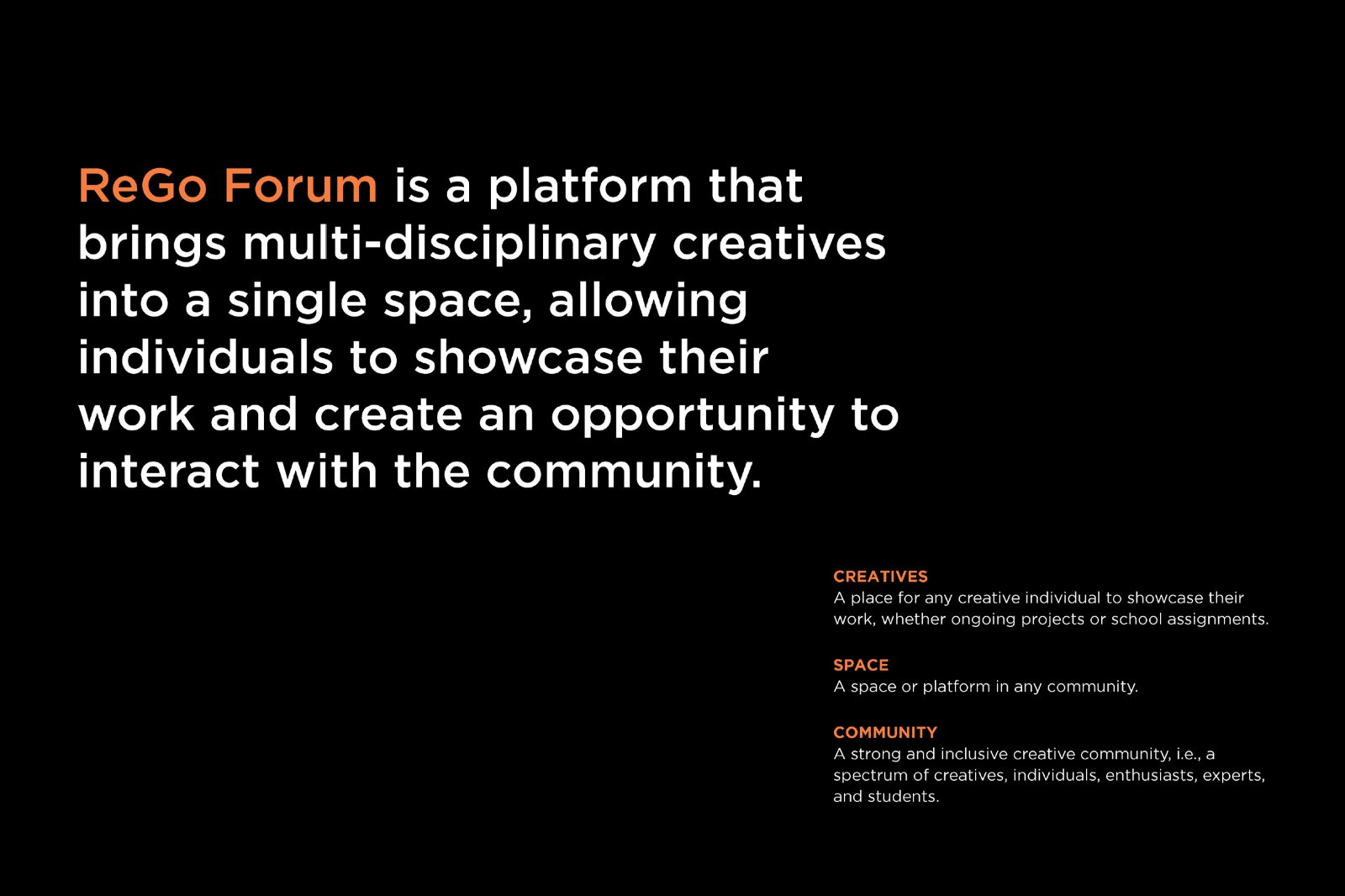
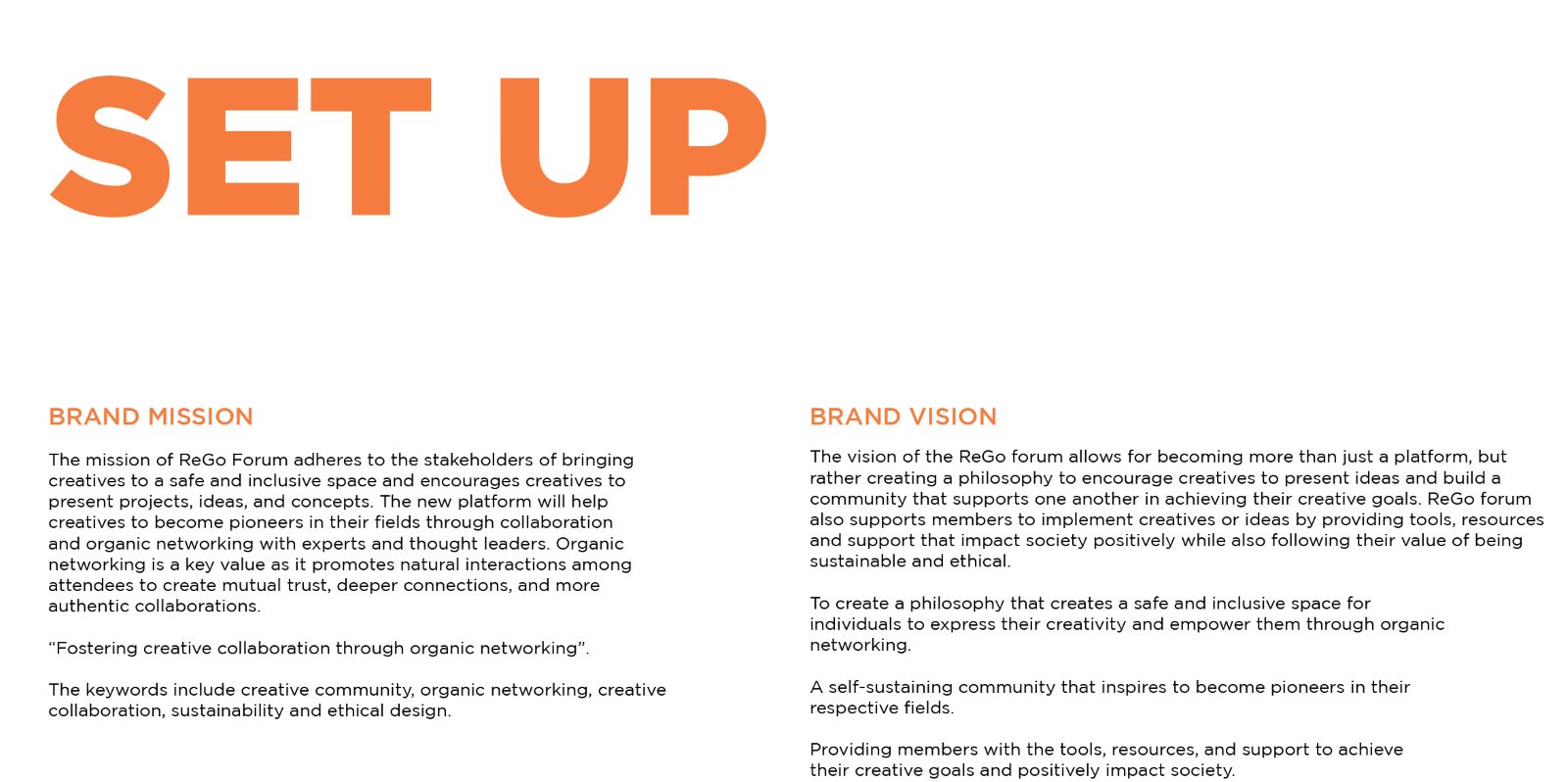
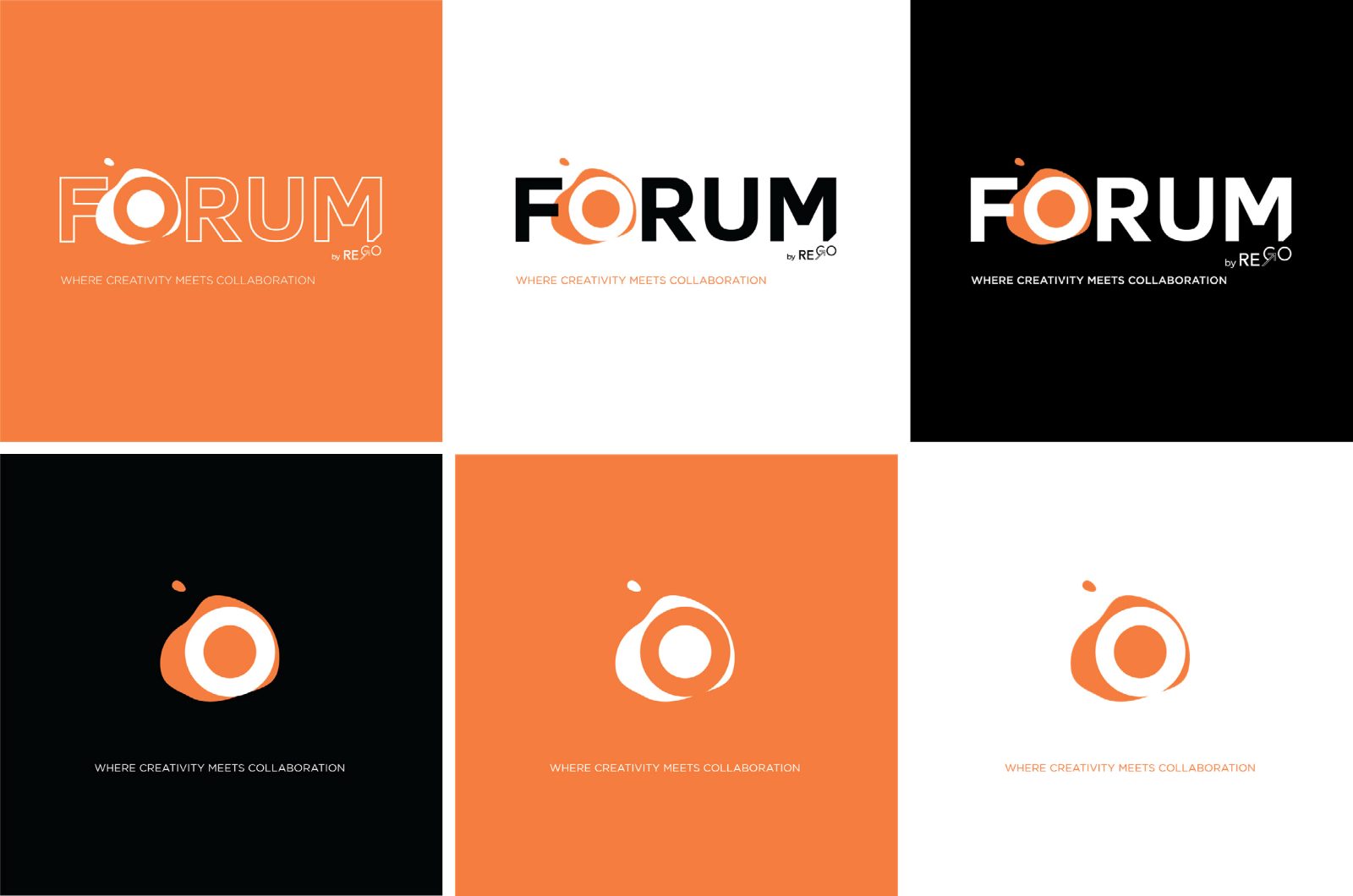
Forum by ReGo is a platform that brings multi-disciplinary creatives into a single space, allowing individuals to showcase their work and create an opportunity to interact with the community.
A platform for creatives that had no creatives yet.
Forum by ReGo brings multi-disciplinary creatives into a single space to showcase work and meet a community. The proposition rests on three pillars the strategy document defines up front: creatives, a place for anyone to show ongoing projects or school assignments; space, somewhere to platform within any community; and community, an inclusive spread from students to experts.
The deliverable was an eighteen-page strategy document covering identity, events and go-to-market.
Three things had to exist at once, and none of them did.
A community platform has a cold-start problem in its bones. Creatives will not join a space with no audience; an audience will not come to a space with no creatives; and neither will show up for a brand with no events behind it. Design a logo for that and you have decorated a chicken-and-egg problem.
So the real question was not what Forum should look like but in what order it should come into existence.
Design the sequence, not just the identity.
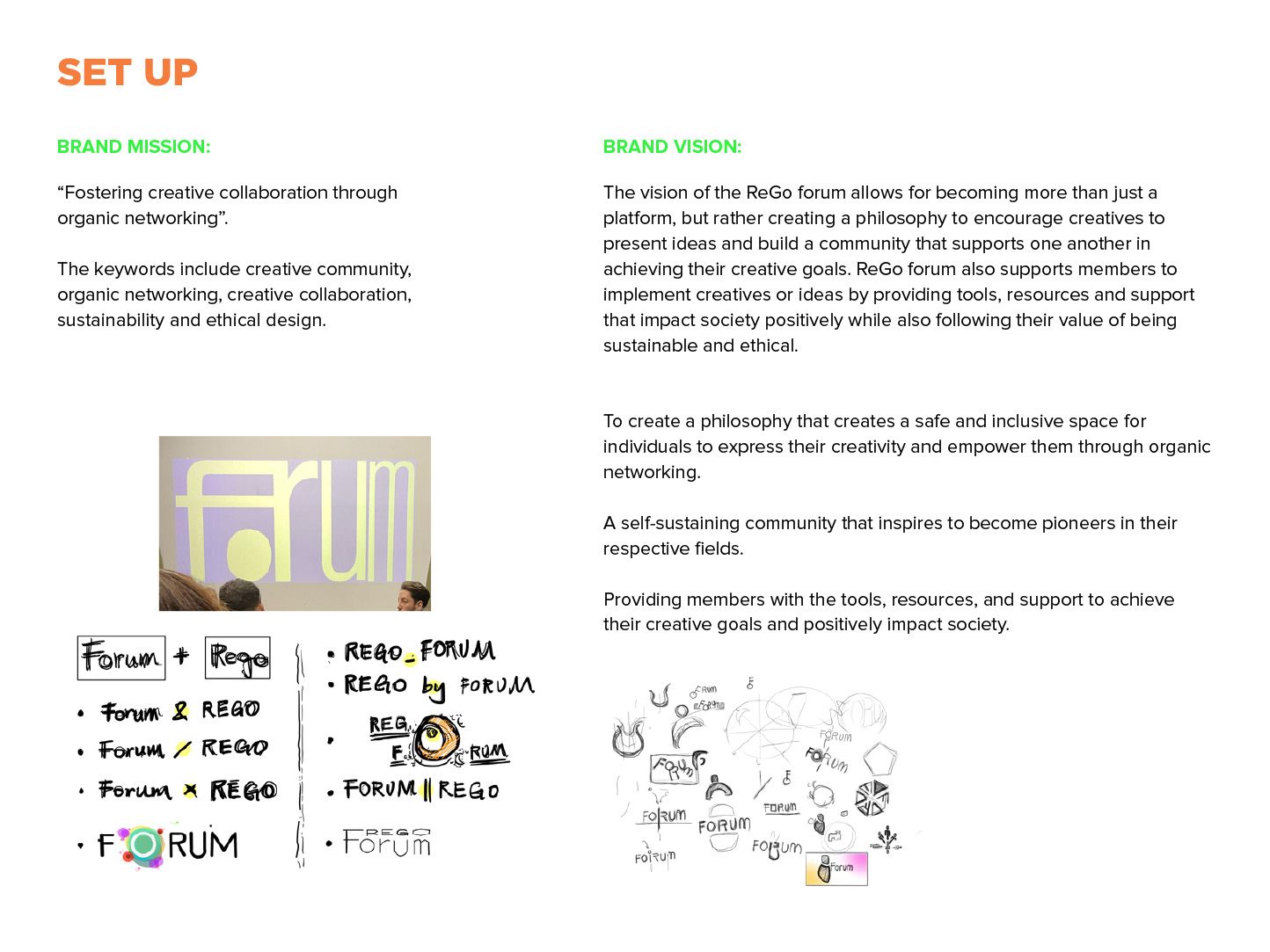
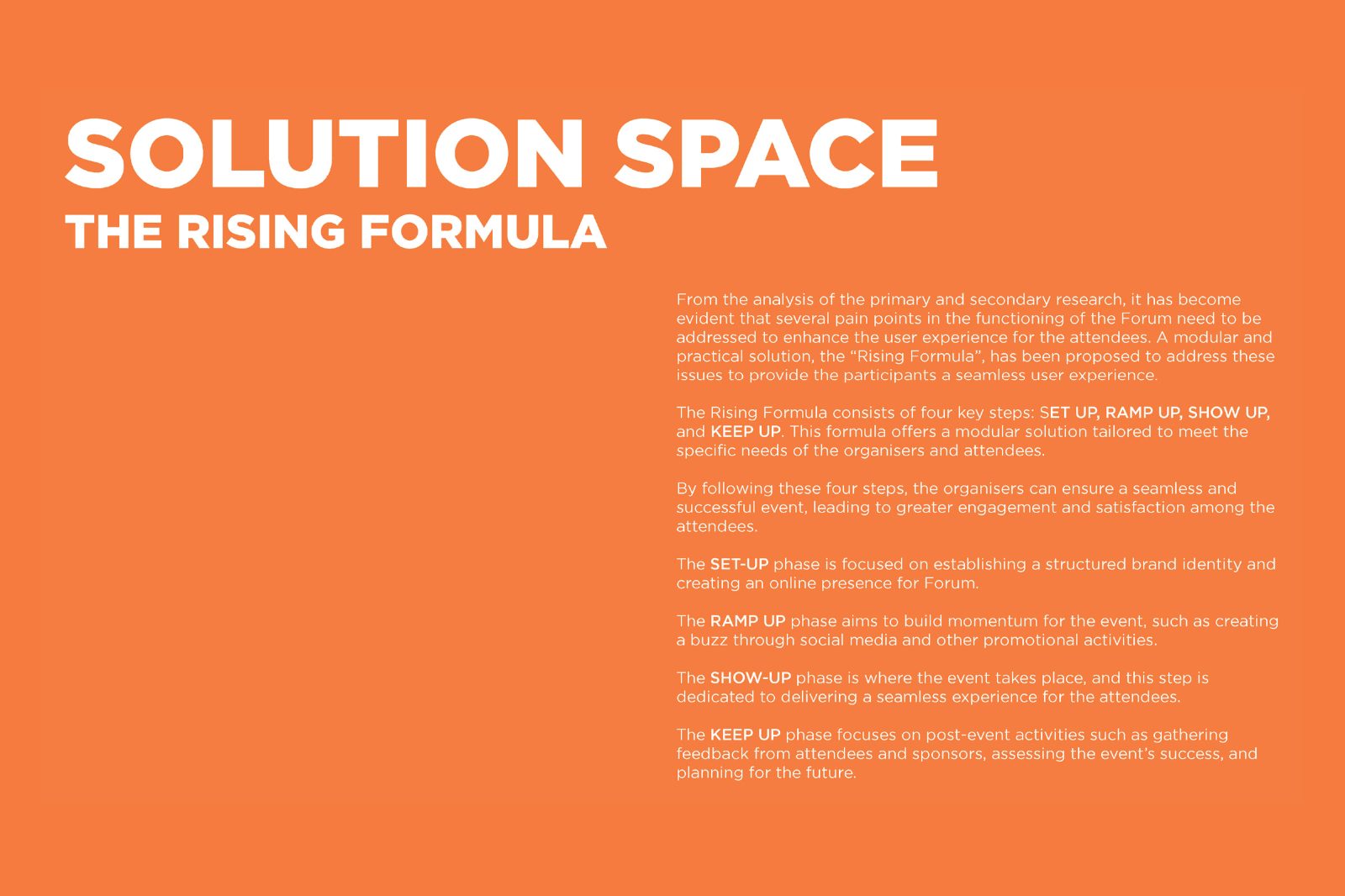
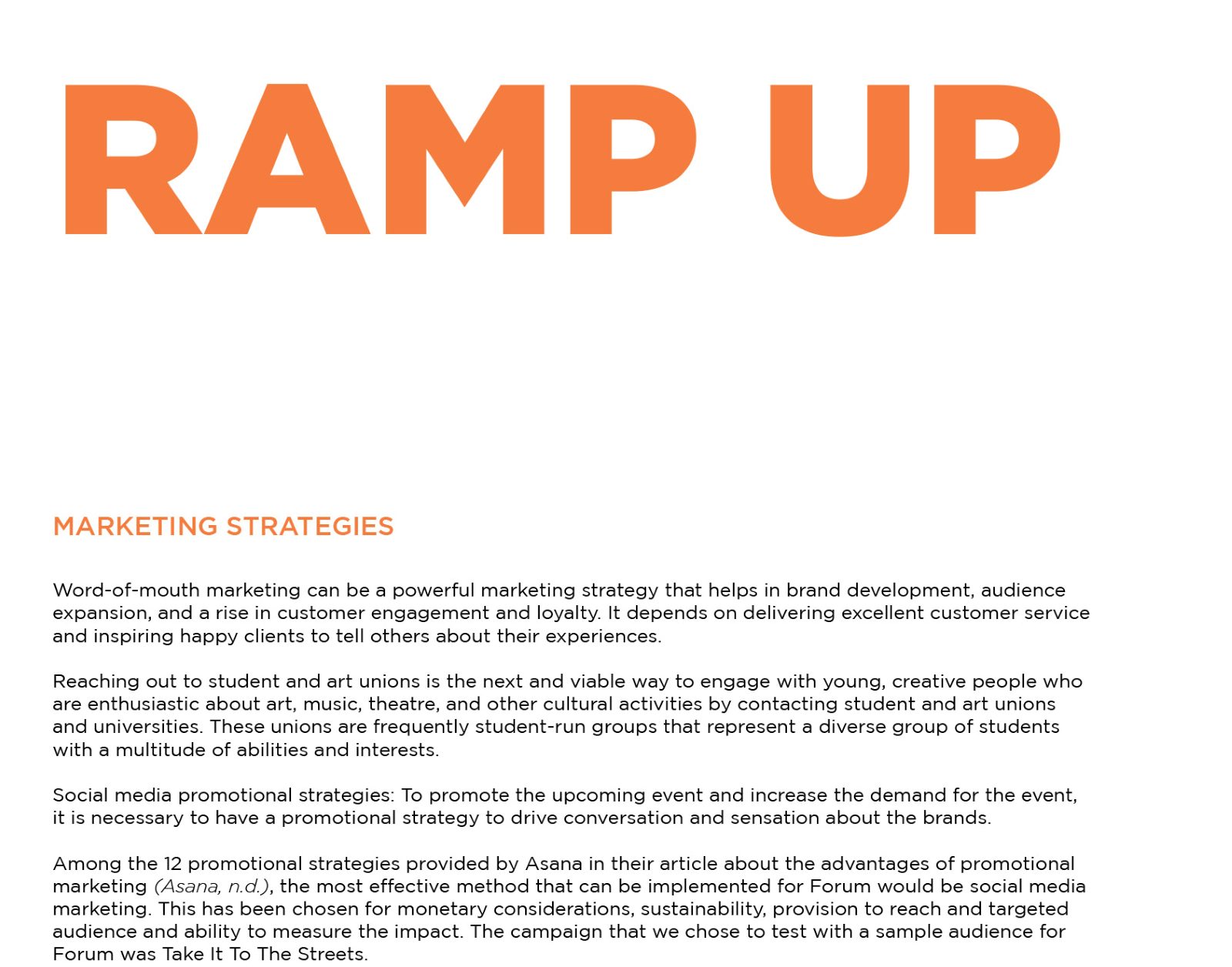
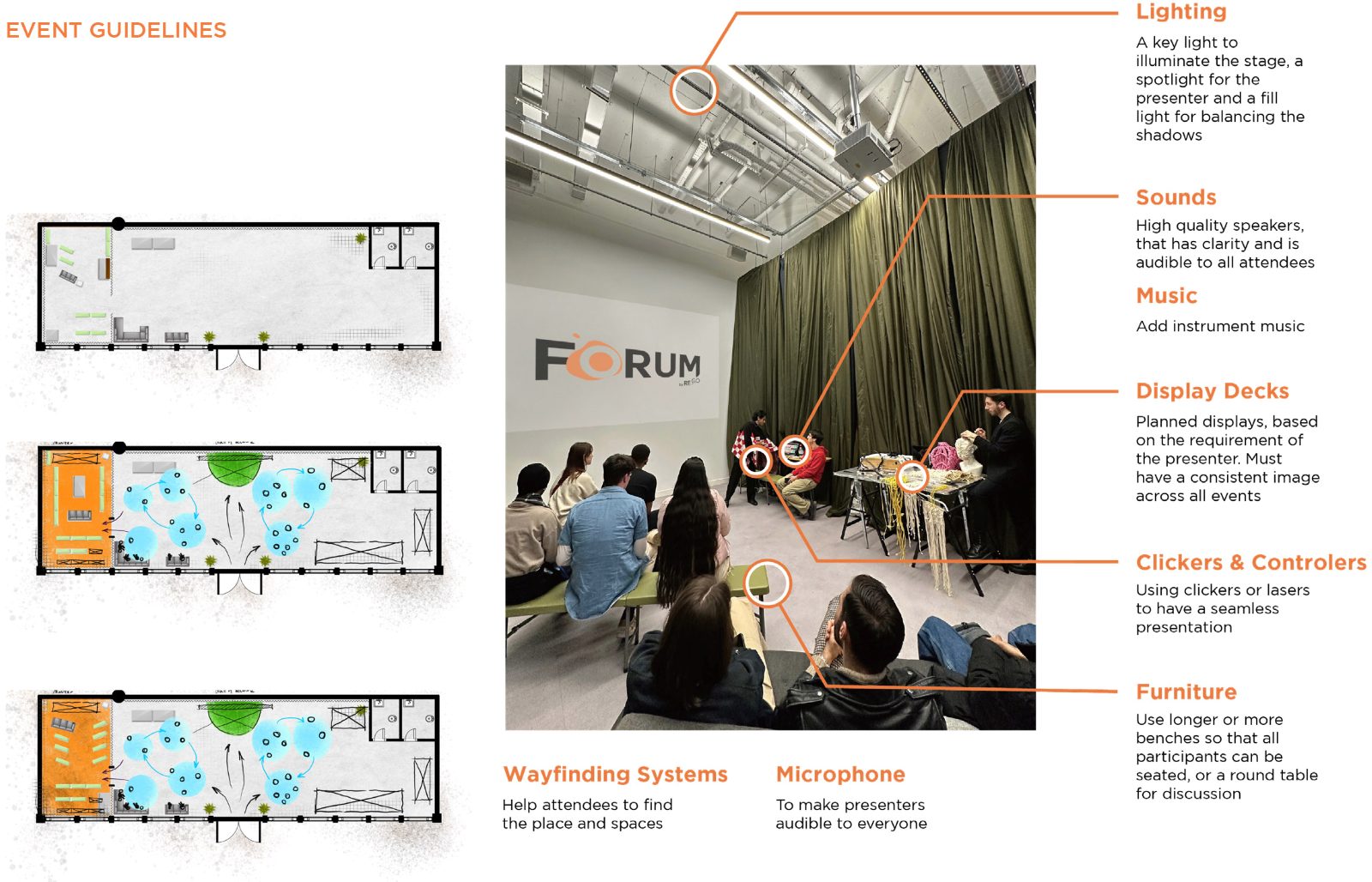
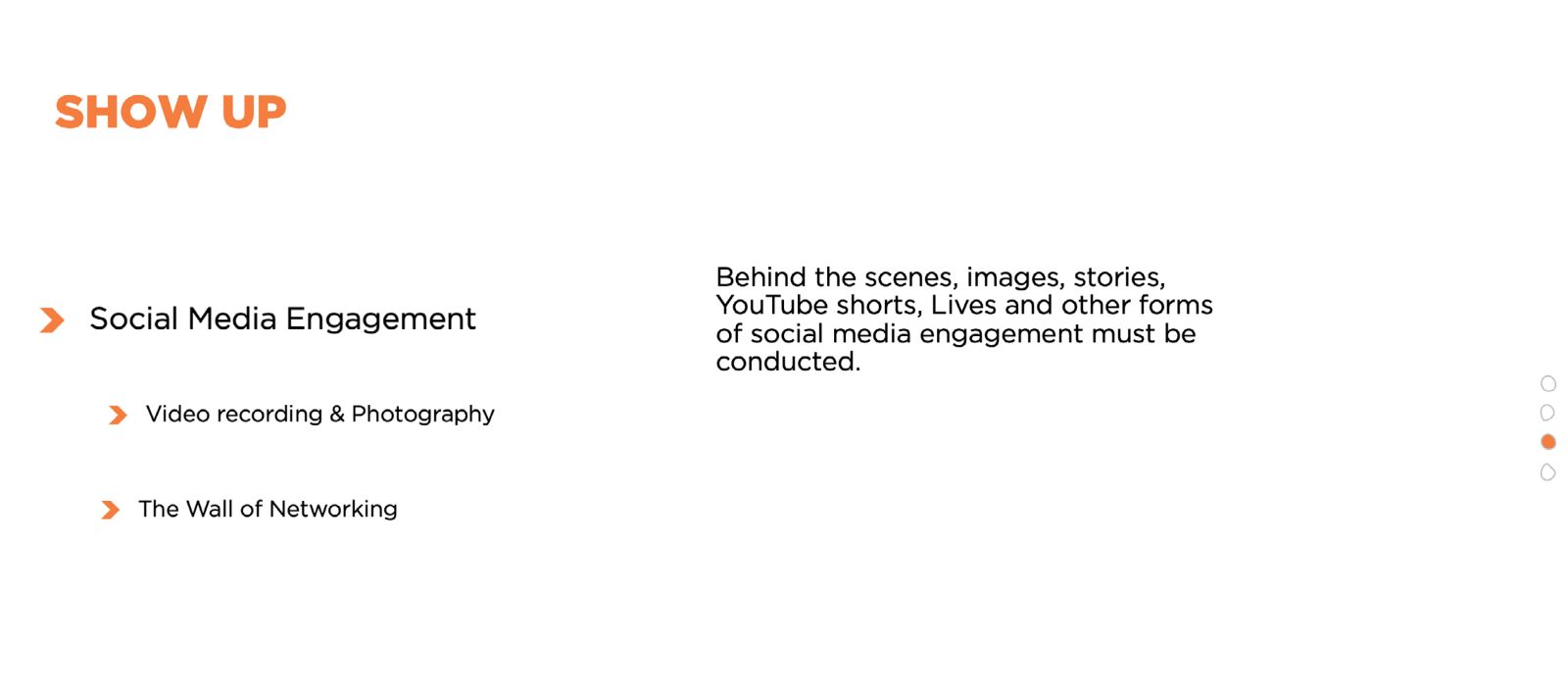
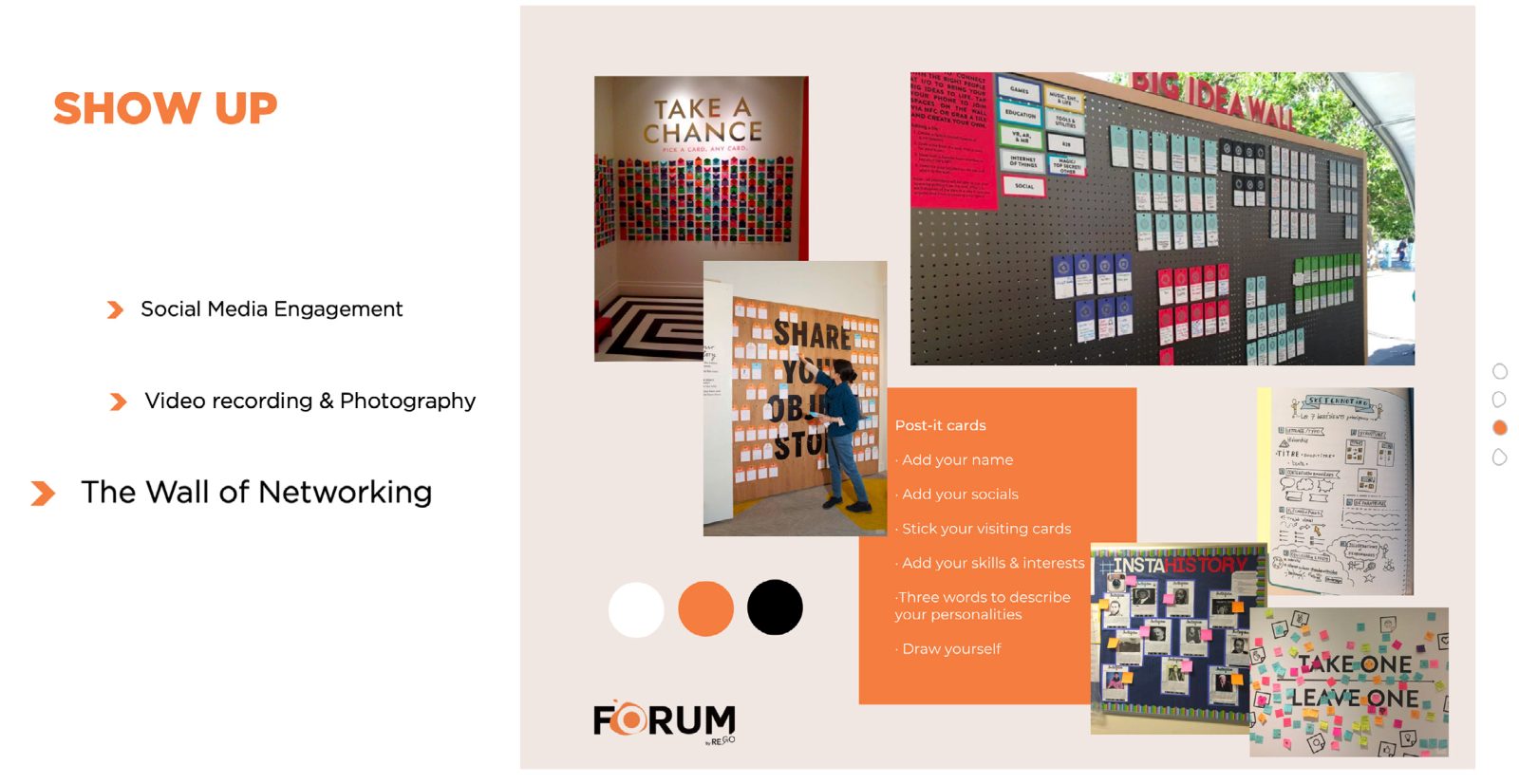
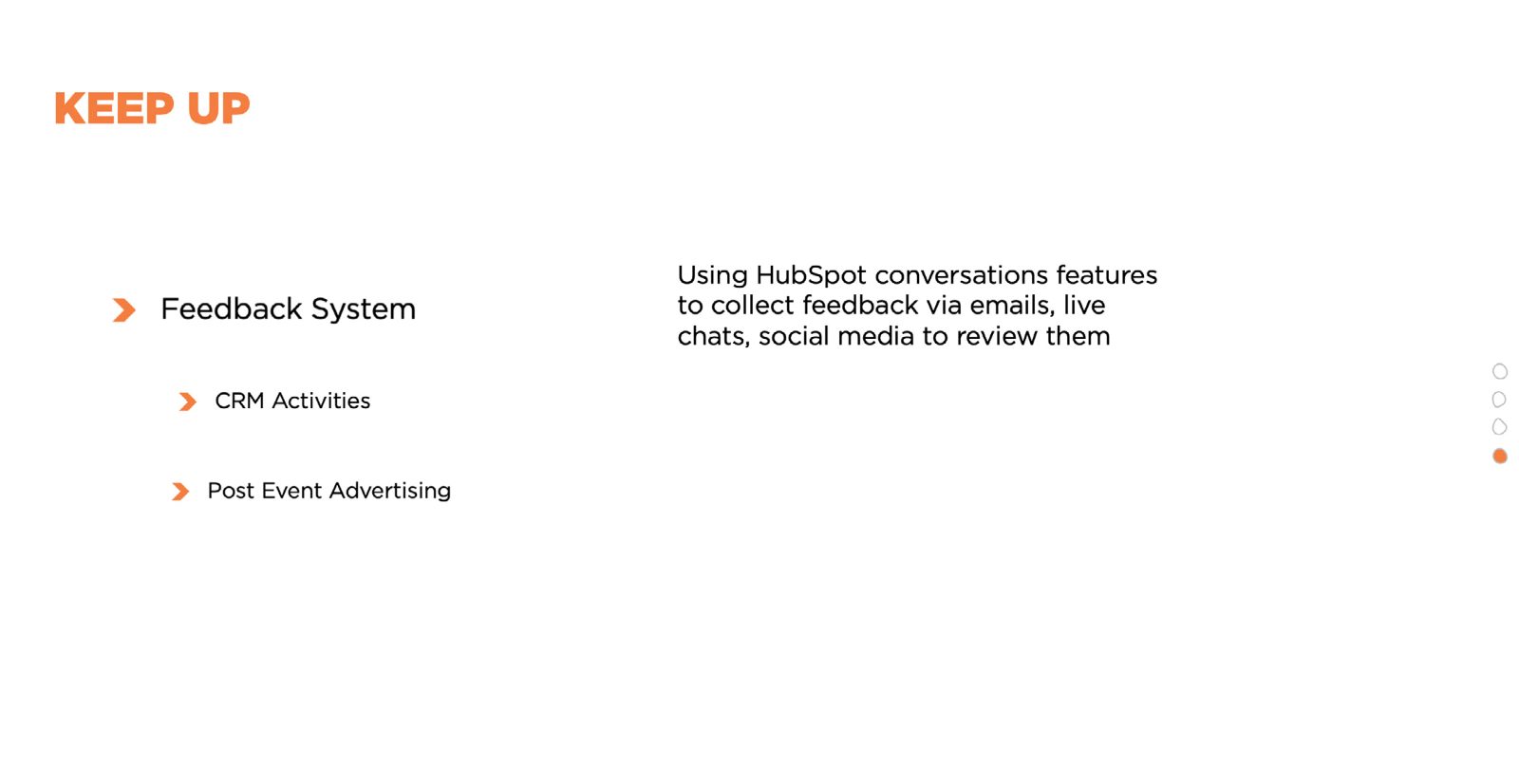
The work is structured around a framework the document calls the Rising Formula — Set Up, Ramp Up, Show Up, Keep Up. Set Up fixes the mission, the rectified name and the mark. Ramp Up is marketing, word of mouth and the promotional campaign. Show Up is event guidelines, social engagement and the Wall of Networking. Keep Up is feedback, CRM activity and post-event advertising.
That is a harder thing to sell than a logo presentation. A phased operating plan has no single reveal moment, and it asks the client to commit to work that pays off two phases later. I made that trade because a mark delivered without a sequence would have been unusable — there was nothing yet for it to be the mark of.
A brand that ships as something somebody can run.
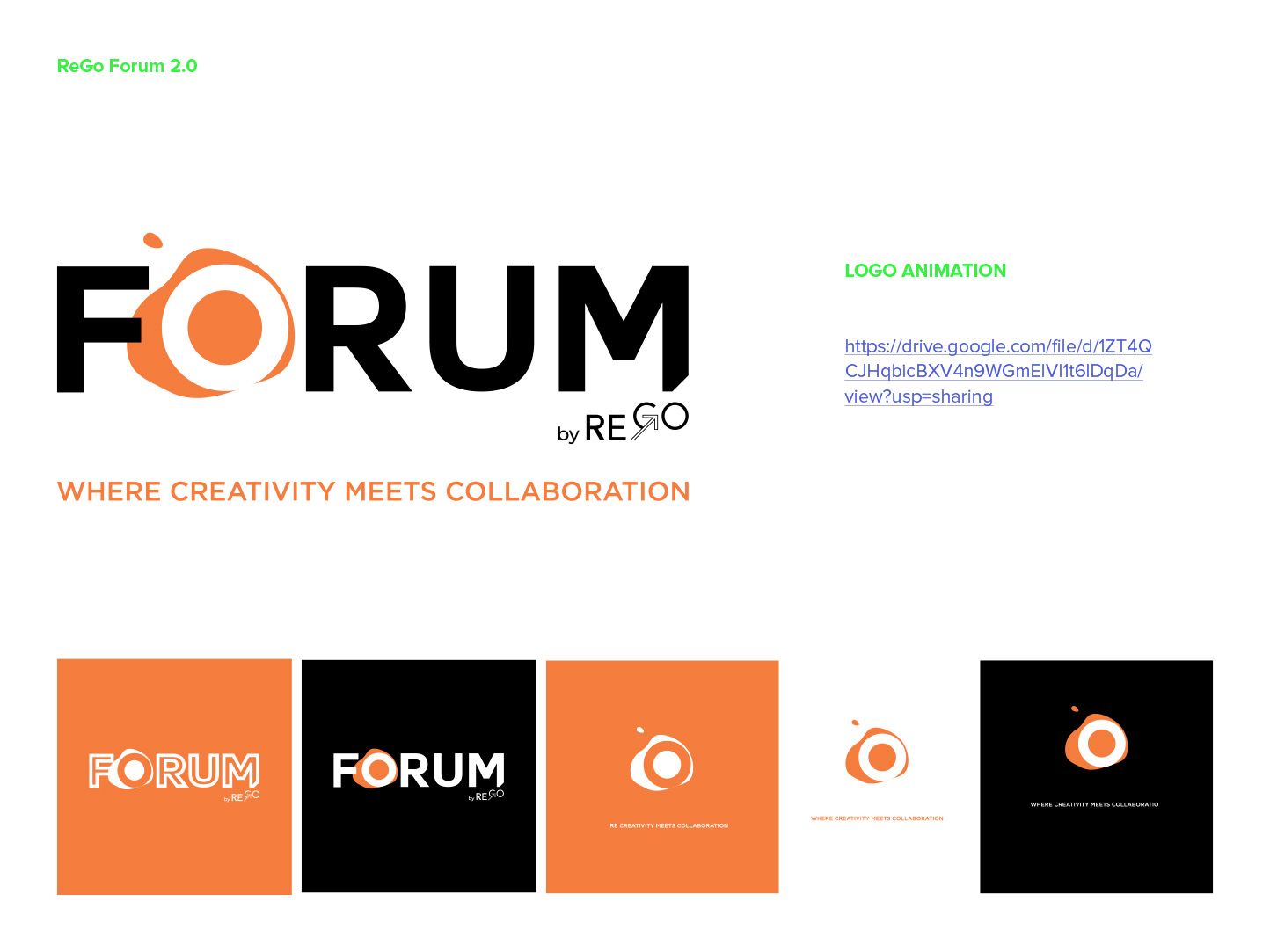
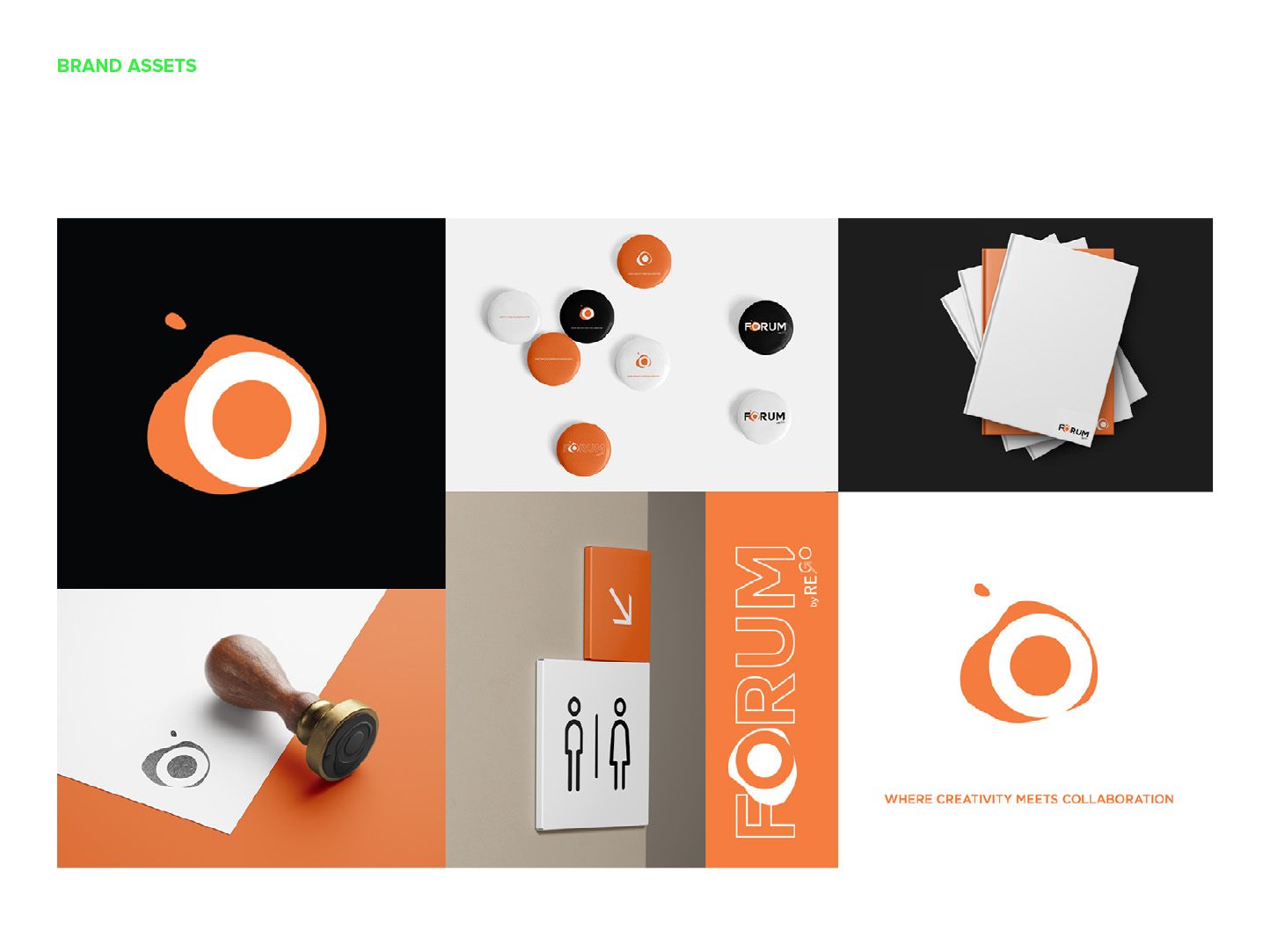
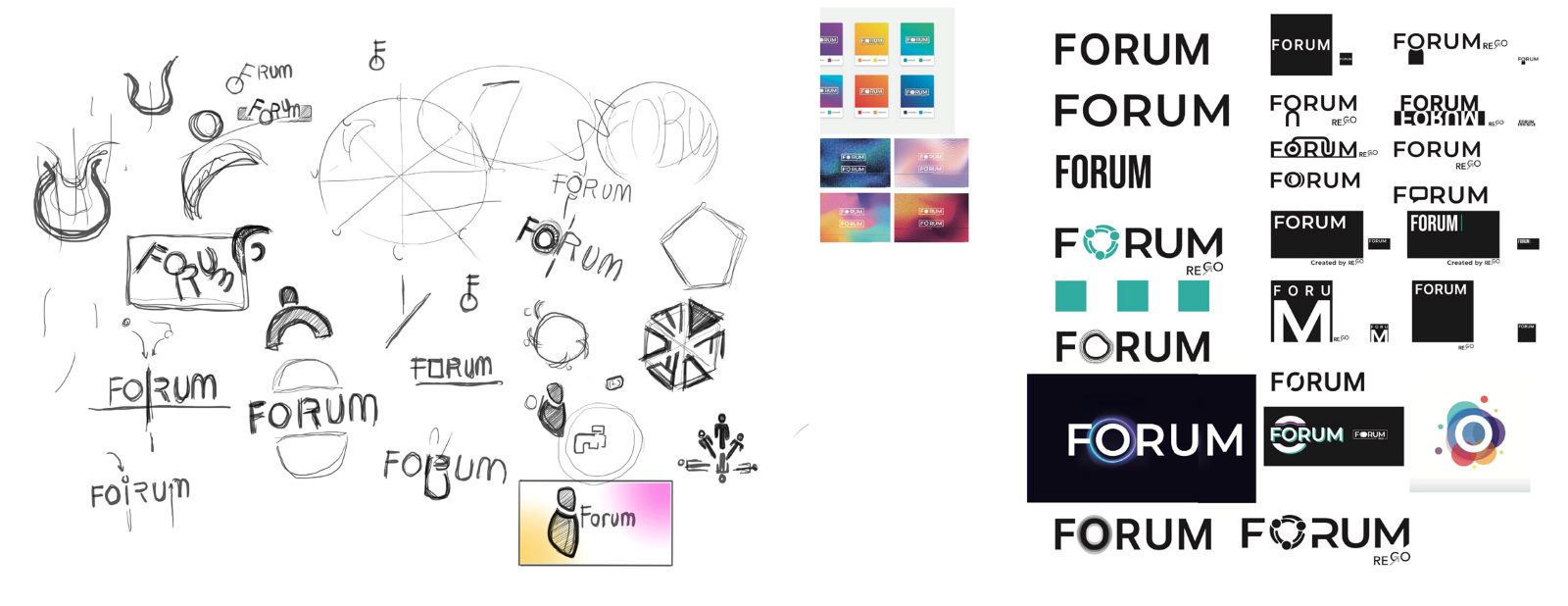
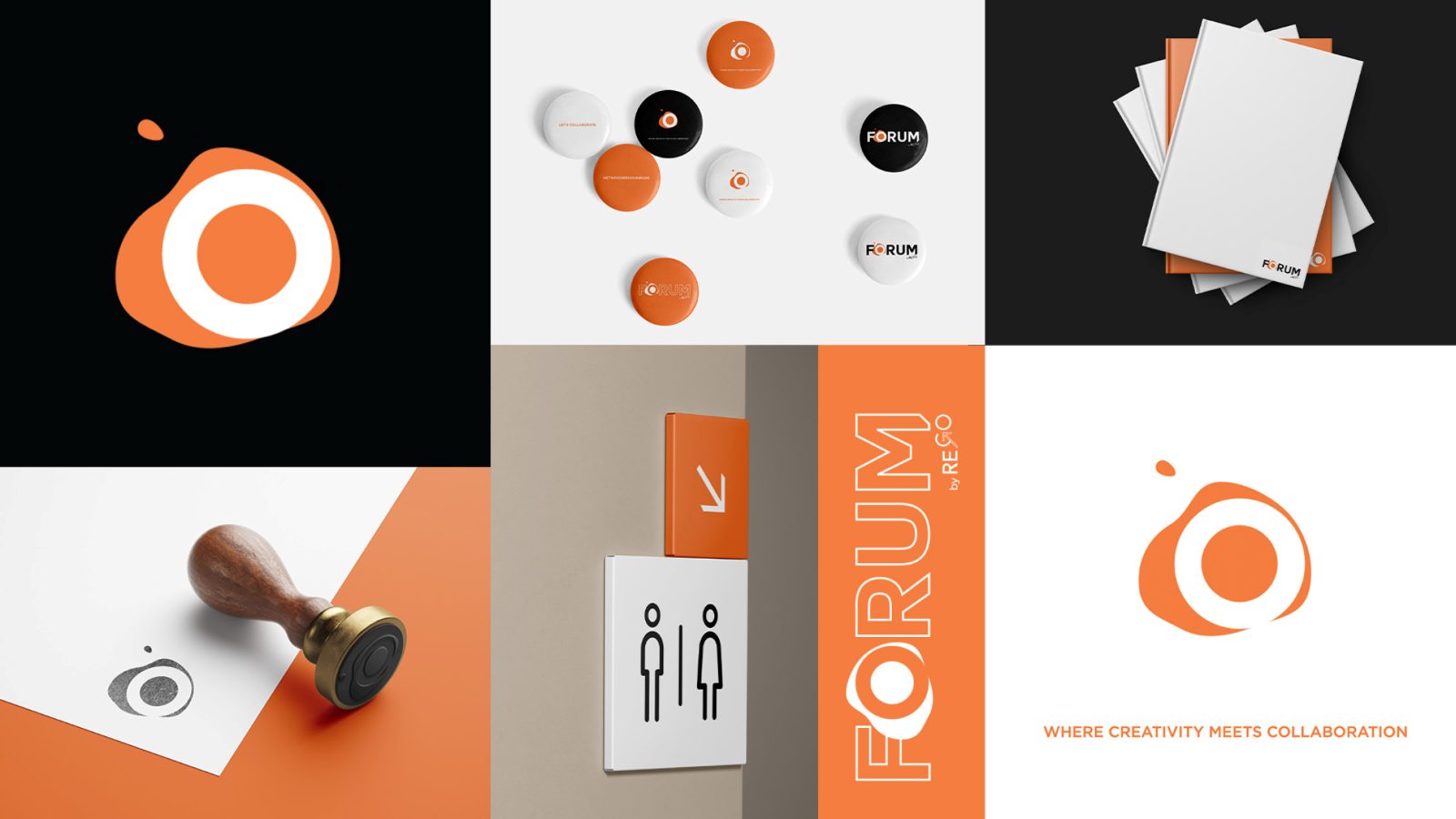
Because every asset hangs off a phase, the identity arrives with instructions rather than as a set of files. The wordmark exploration, lockups, applications and platform UI sit inside Set Up; the campaign and event guidelines sit where they are actually used. Someone who was not in the room can pick up the document and know what to do first.
The logo had to argue for the idea, not just sit still.
Forum’s whole proposition is that knowledge compounds when creatives meet — which is an argument about movement, and a static mark cannot make it. So the identity was built to resolve rather than simply appear.
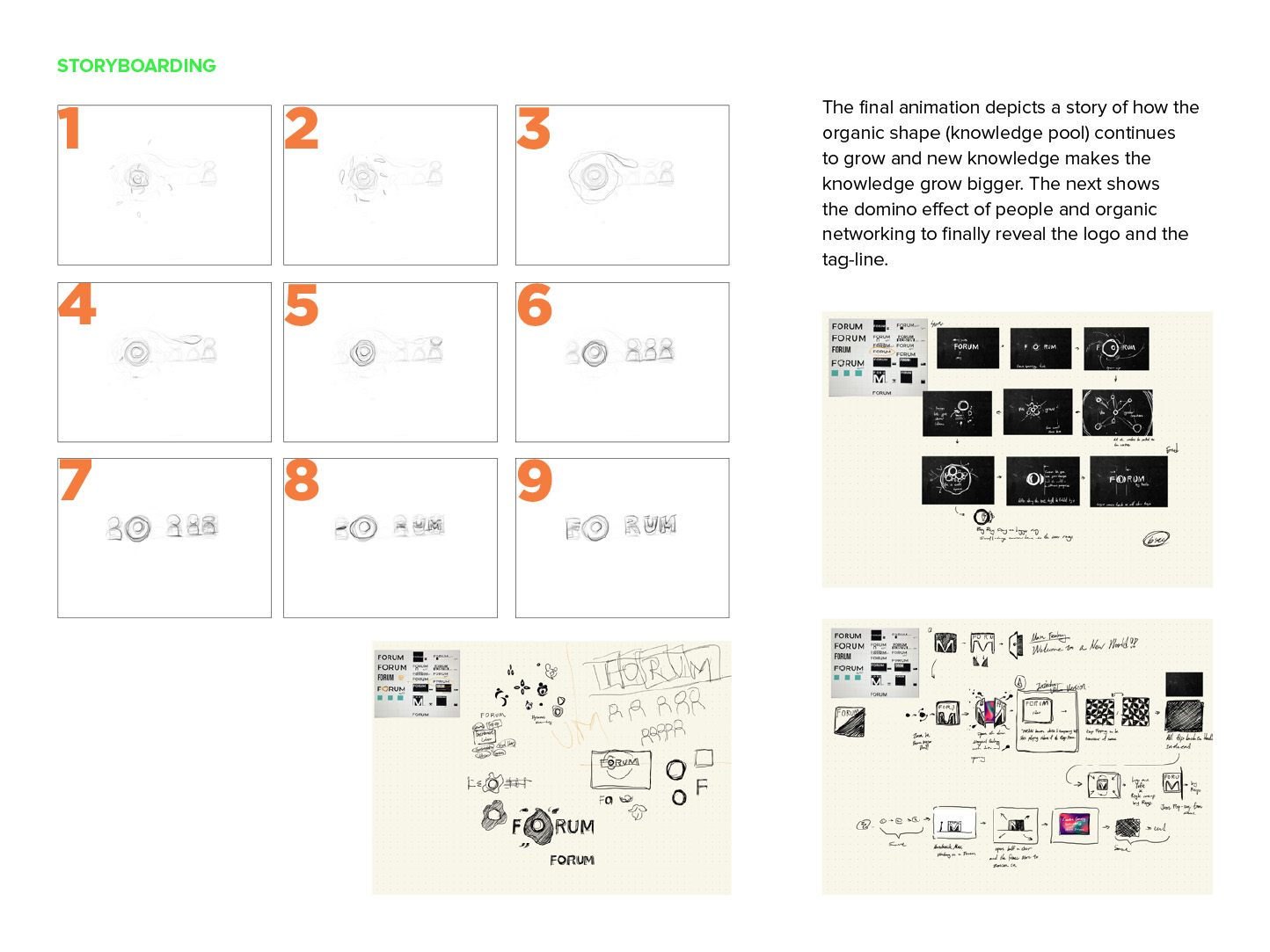
The sequence runs in three beats. An organic shape — the knowledge pool — keeps growing as new knowledge is added to it. A domino effect of people follows, which is organic networking made literal. Then the logo and the tagline resolve out of it.
Storyboarded first, across nine frames, because the beats had to be argued before they were animated. The order matters: knowledge grows, people connect because of it, and the brand is the result rather than the cause.
Take It To The Streets.
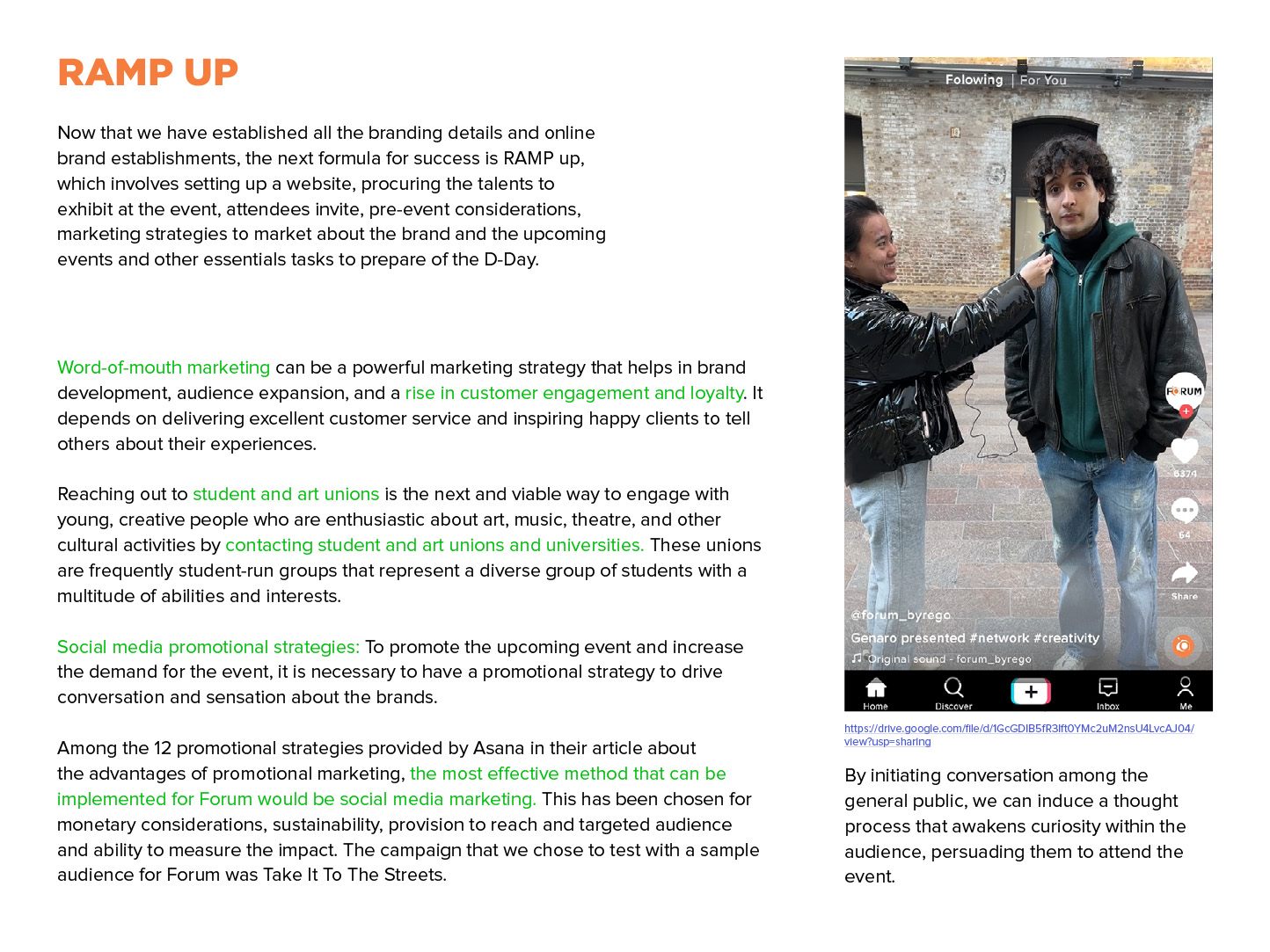
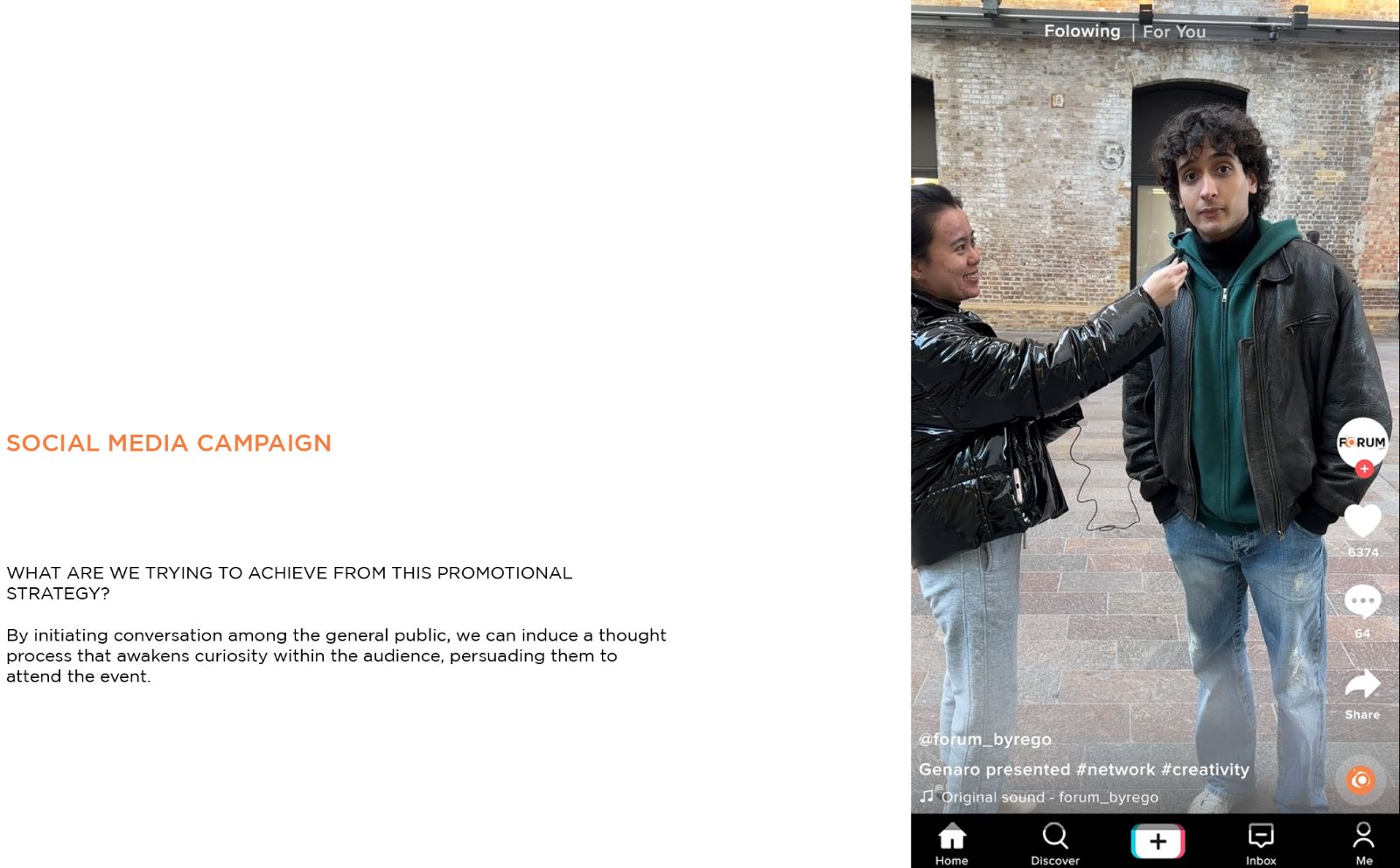
Of the promotional routes considered, one was taken out and tried on a sample audience rather than argued on paper. The reasoning in the document is plain about why: by starting a conversation with the general public you induce a thought process, awaken curiosity, and give someone a reason to turn up — which is a claim you can only test by going outside and doing it.
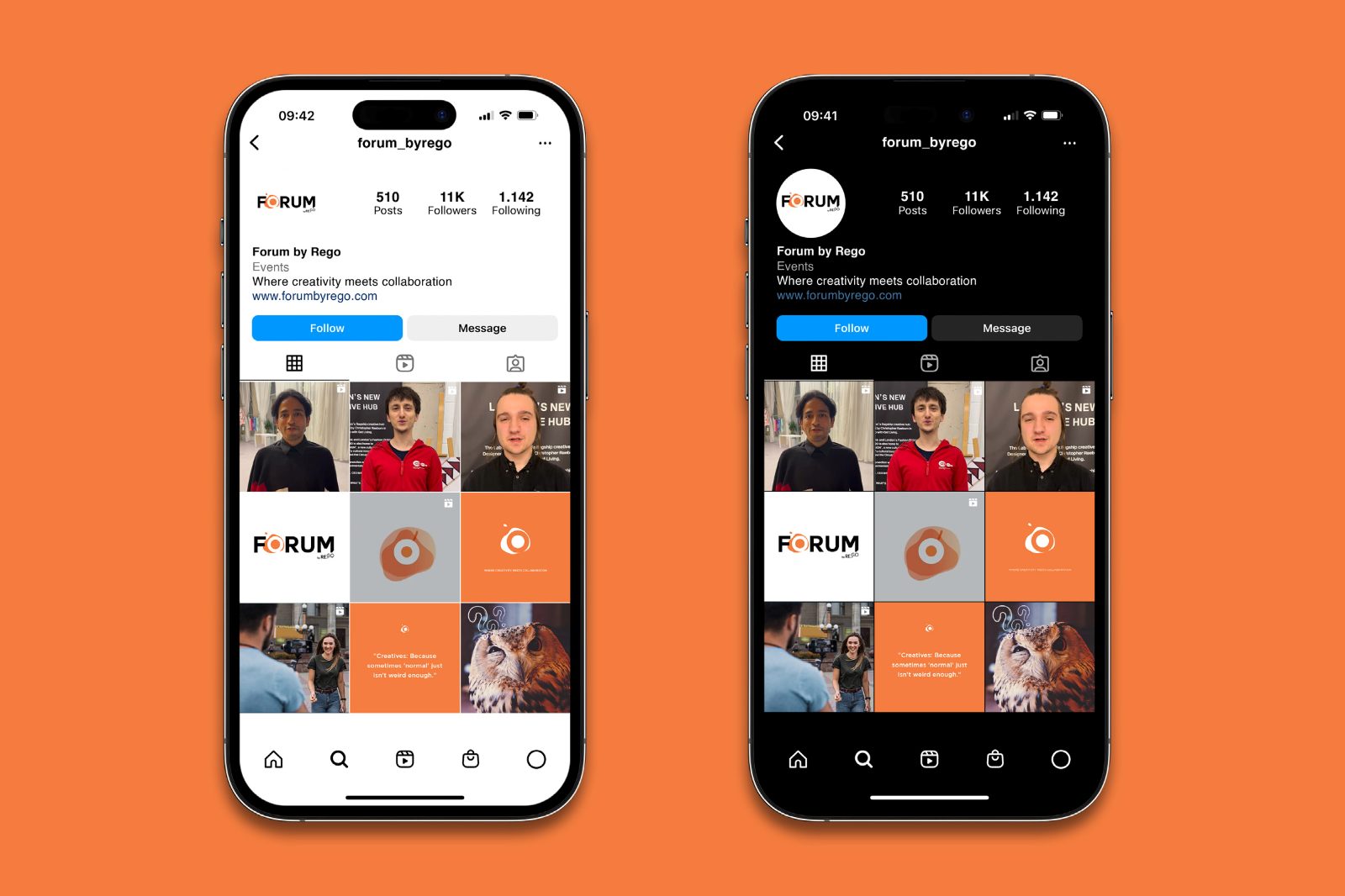
Social media marketing was chosen over the other eleven routes Asana lists for three stated reasons — cost, sustainability, and the fact that its reach and impact can actually be measured. This is the piece of the Rising Formula that was put in front of real people.
The same work, argued short.
The eighteen-page strategy document below is the full specification. This is the nine-page account written for the portfolio — the same project compressed to what a reader needs to follow the argument, and the only place the workshops, the storyboard and the assets in application are shown together.
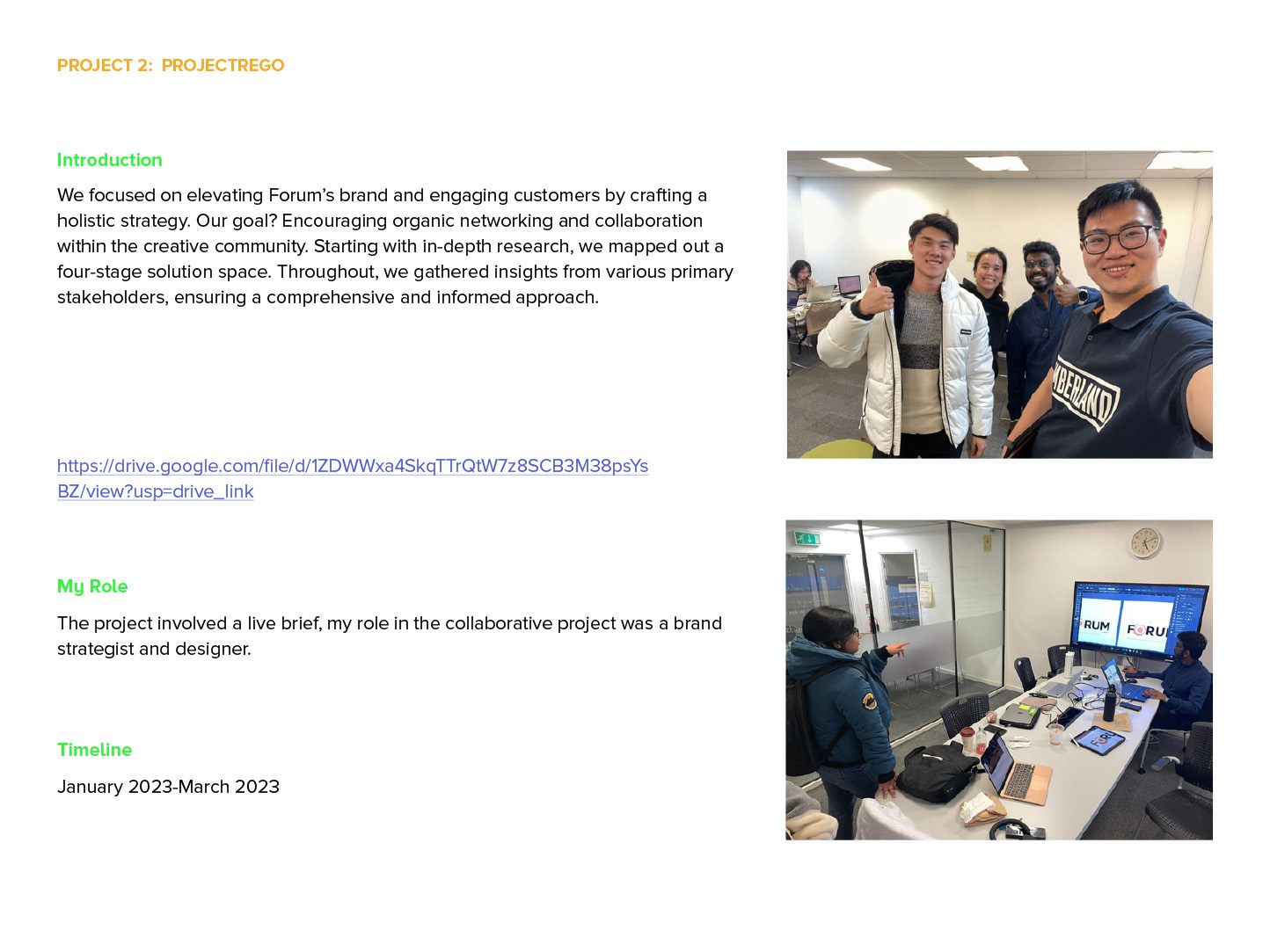
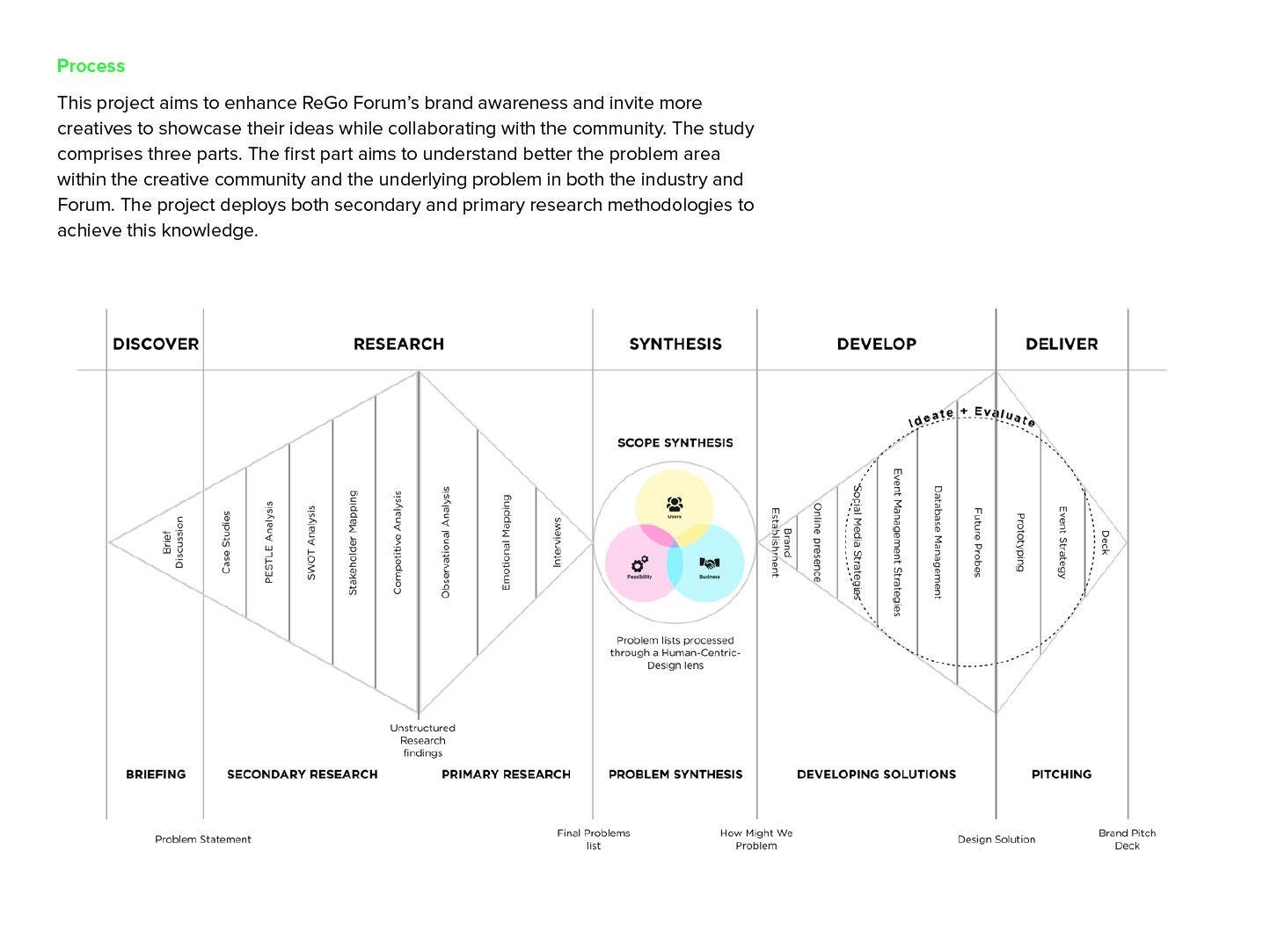
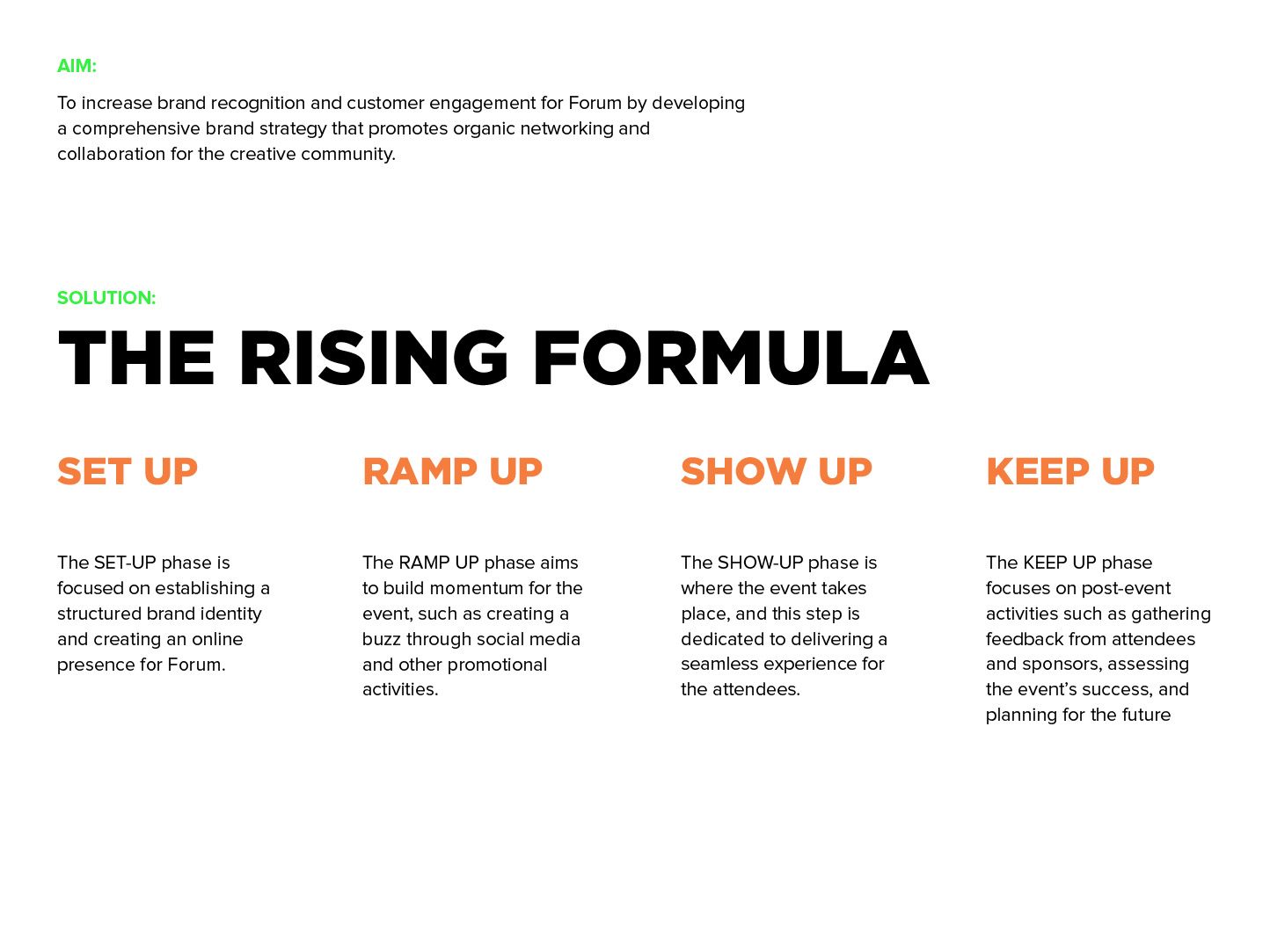
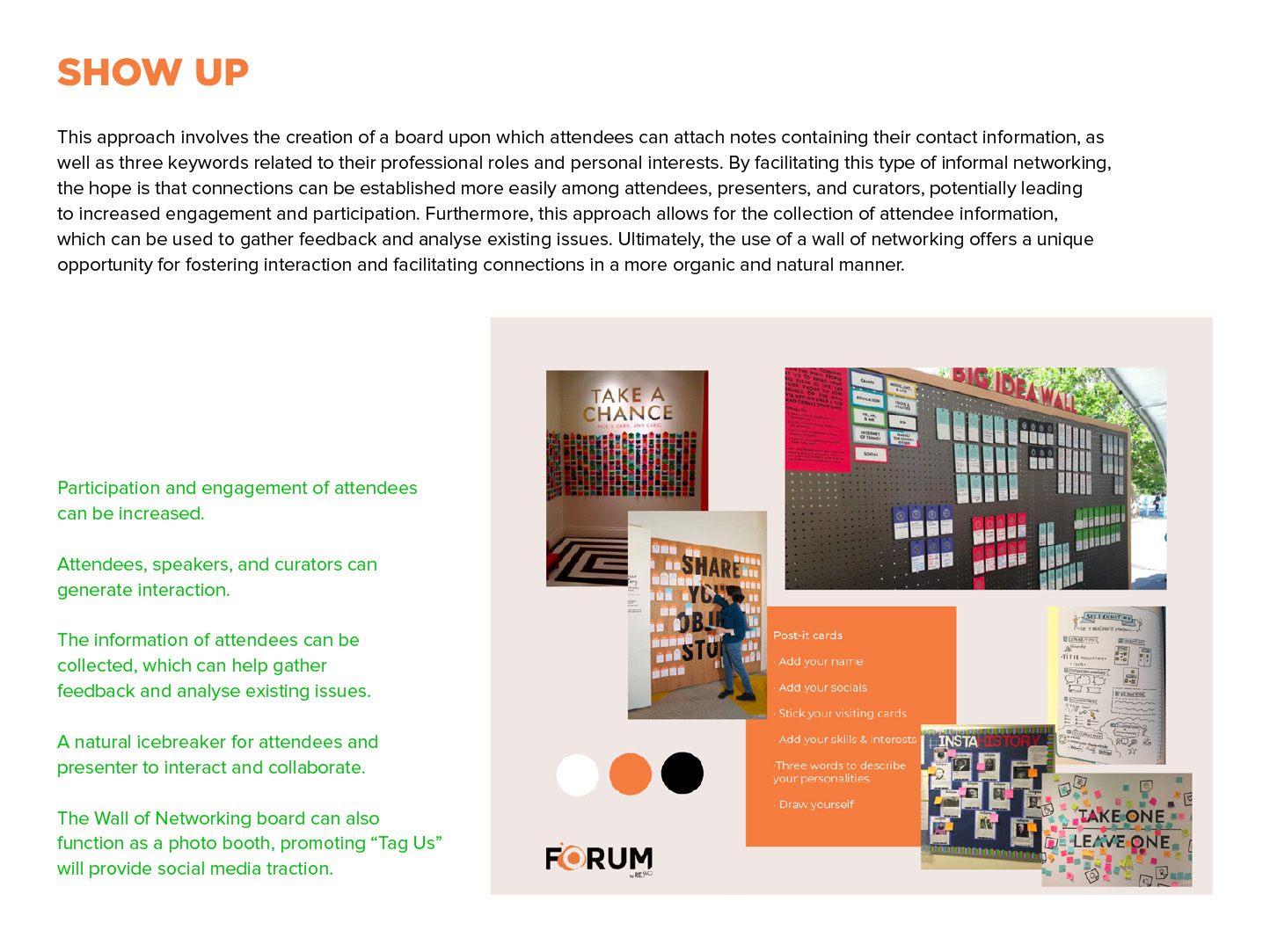
Eighteen pages, front to back.
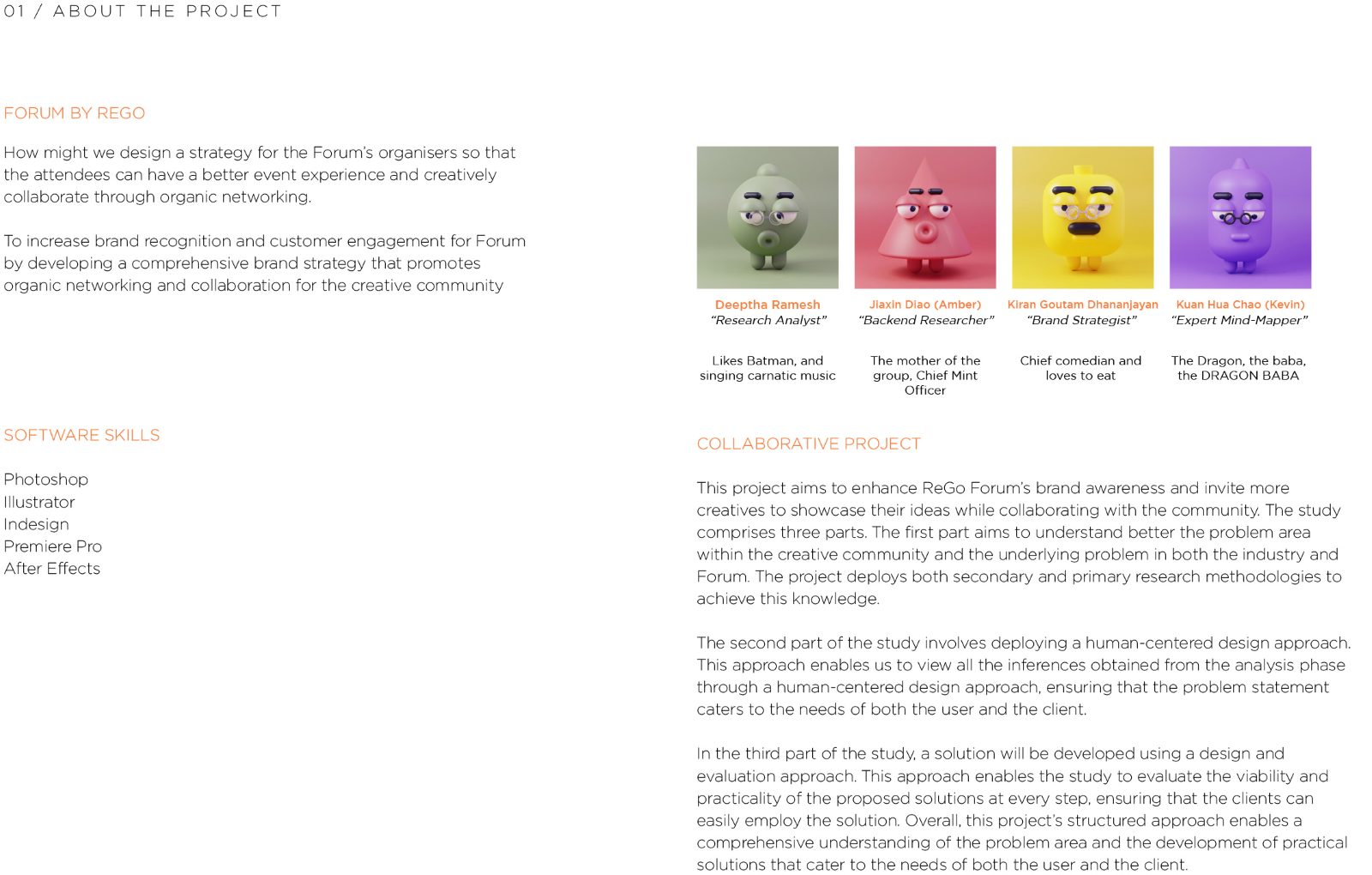

What shaped the work as much as the brief did.
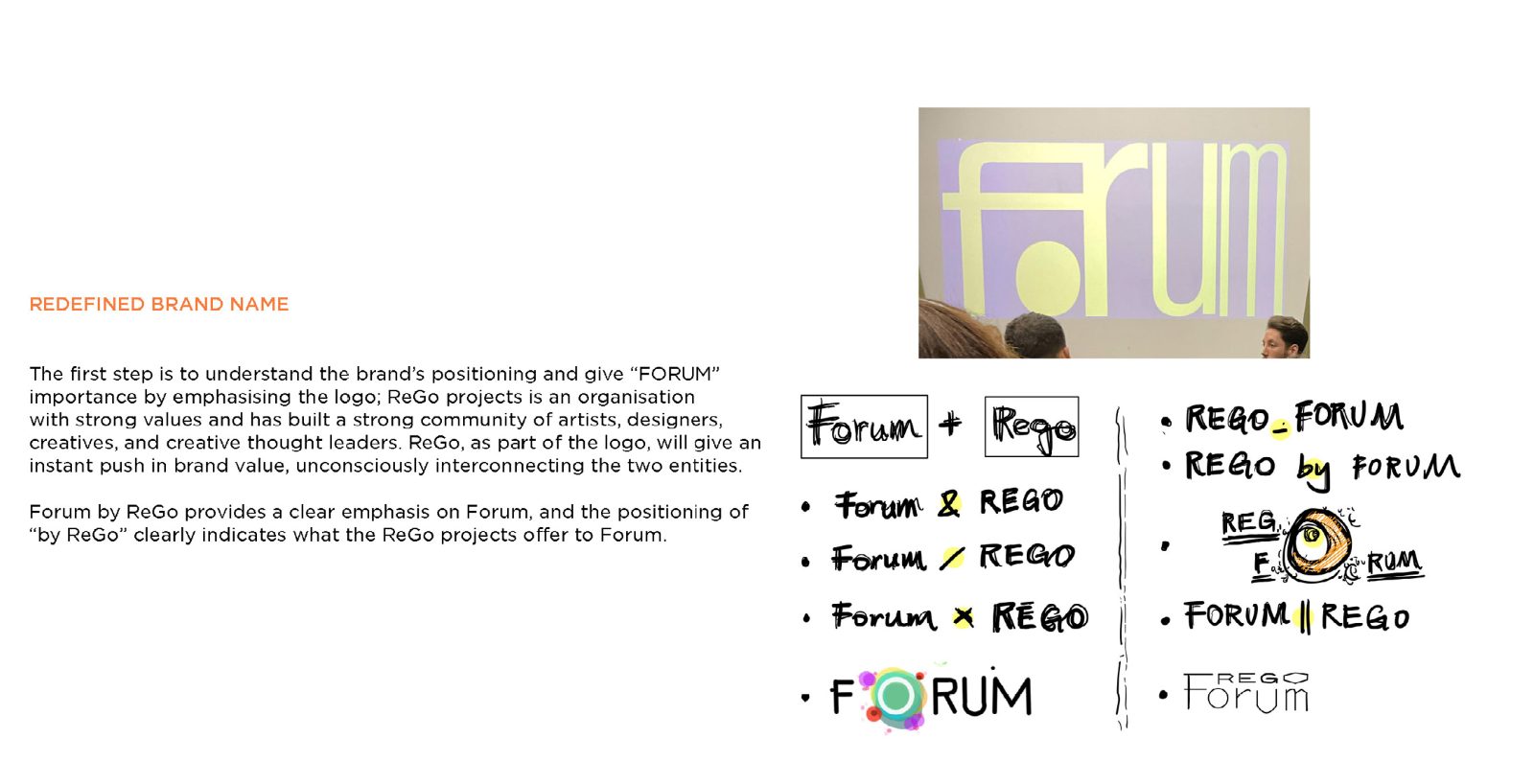
The name needed fixing before anything else. A rectified brand name is the first substantive page in the document — there was no point drawing a mark for a name that was not settled.
No existing audience to research. With no users yet, the strategy leans on structure and comparable models rather than on findings from a community that had not formed.
A document, not a launch. The engagement ended at the strategy, so the phases after Set Up were specified rather than executed — which is exactly why they had to be written down precisely.
A complete strategy; an unrun plan.
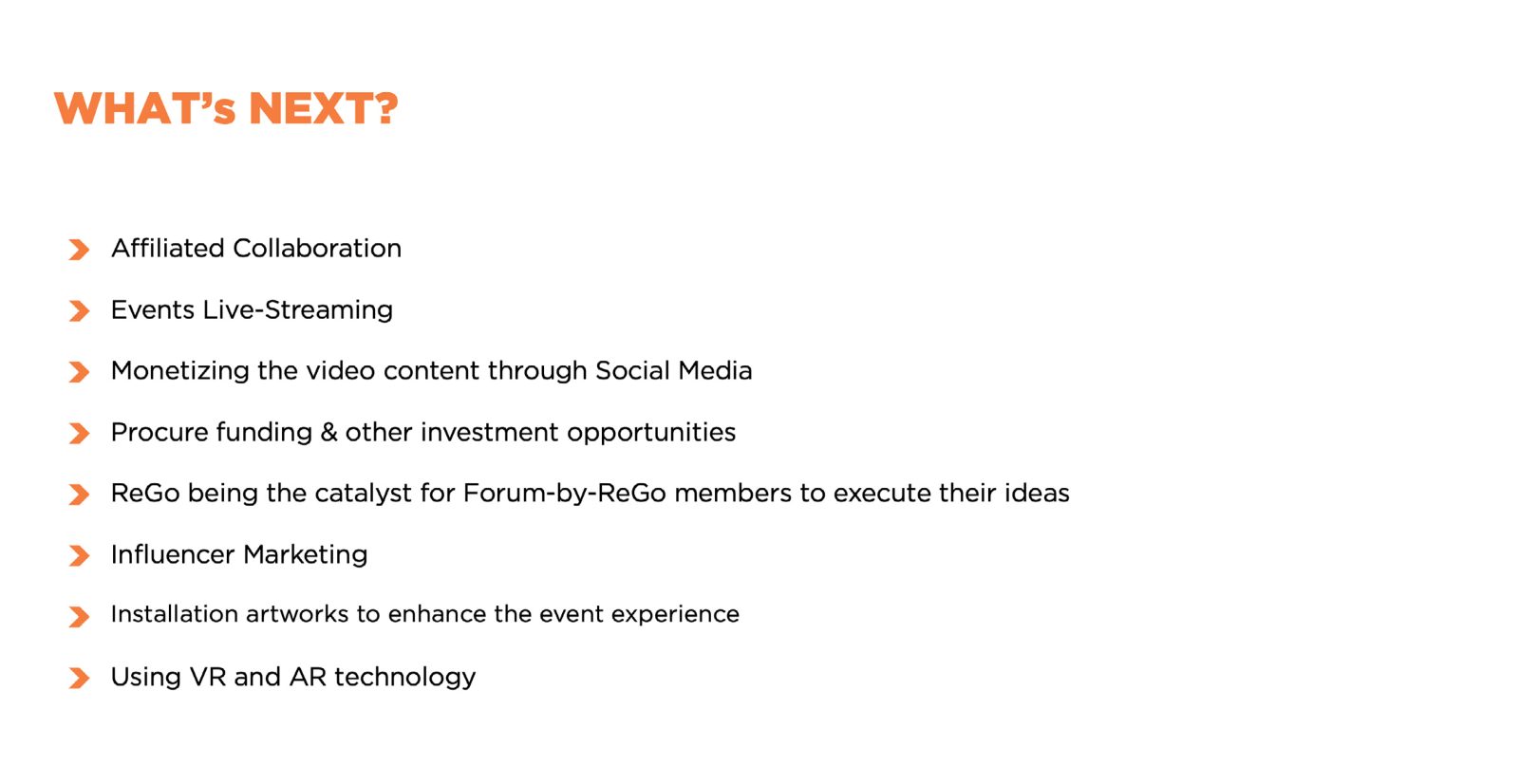
Eighteen pages, from the rectified name and mark through applications, platform UI, the marketing strategy, event guidelines, the Wall of Networking and a what-next roadmap. What I do not have is performance data, because the phases past Set Up were mine to define and not mine to operate.
The honest claim is about the quality of the plan and the completeness of the system, not about traction it never had the chance to produce.
What I would do differently.
I would attach one number to each phase — creatives signed up, event attendance, return rate — and define the threshold for moving to the next. As written, the Rising Formula says what happens in what order but not what proves a phase is finished.
I would also prototype the Wall of Networking before specifying it. It is the most distinctive idea in the document and the least tested.